

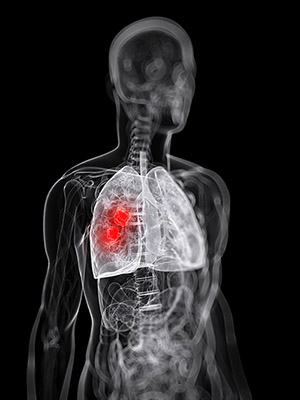
Lung cancer remains one of the leading causes of cancer-related deaths in the United States. According to the American Cancer Society, an estimated 221,200 new cases of lung cancer were diagnosed in 2015 alone, leading to approximately 158,040 deaths. Understanding the risk factors for lung cancer is crucial to catching it early and exploring treatment options. In this blog, we’ll discuss key factors that may put you at high risk for lung cancer and the innovative, non-invasive treatments available for early-stage lung cancer.
1. Smoking and Exposure to Secondhand Smoke
The most well-known risk factor for lung cancer is smoking. Tobacco smoke contains harmful chemicals that can severely damage the lungs over time. Smokers are estimated to be 15 to 30 times more likely to develop lung cancer compared to non-smokers.
However, even exposure to secondhand smoke can significantly increase your risk. Long-term exposure to secondhand smoke can raise the risk of developing lung cancer by about 20% to 30%. If you are currently a smoker or have been exposed to smoke in your environment for a prolonged period, you may be at high risk for lung cancer.
2. Age and Family History
Age is another major factor when assessing lung cancer risk. Most lung cancer cases are diagnosed in people aged 65 and older. The risk of lung cancer increases as you age, particularly if you have a family history of the disease.
A family history of lung cancer can indicate a genetic predisposition, making it important to discuss this with your healthcare provider. Additionally, other hereditary conditions, such as genetic mutations, can also contribute to lung cancer risk.
3. Environmental Exposure and Occupational Hazards
If you’ve been exposed to hazardous materials such as asbestos, radon, or certain industrial chemicals, your risk of developing lung cancer is also increased. These environmental and occupational exposures can cause cellular changes in the lungs, leading to cancer over time. Radon, a naturally occurring radioactive gas, can seep into homes through cracks and can be particularly dangerous if exposure is prolonged. Additionally, exposure to air pollution, diesel exhaust, and certain industrial toxins may also raise your lung cancer risk. If you’ve had significant exposure to any of these elements, it is important to consider regular screenings.
If you believe you may be at high risk for lung cancer due to any of the factors mentioned, early detection is key to improving outcomes. For patients diagnosed with early-stage non-small cell lung cancer (NSCLC), surgery is a common treatment option. However, thanks to modern technology, non-invasive treatments like CyberKnife offer an excellent alternative to surgery.
If you have additional questions about lung cancer risks or want to learn more about our advanced treatment options, contact Phoenix CyberKnife today. We’re here to help guide you through every step of your journey.